Women Who Grow: Participation Across the Whole Agricultural System
Agriculture has never depended on one type of contribution.
It has required production and planning, risk management and restraint, fieldwork and financial discipline. Farms function because responsibility is distributed. That has been true for generations.
Women have always been part of that distribution.
What has shifted over time is how their roles are recorded, formalized, and described within the agricultural system.
Agriculture Extends Beyond Production
Public conversations about agriculture often focus on producers. Acres planted. Herd size. Equipment investments.
But the agricultural economy includes far more than production. It includes agricultural lenders, crop insurance agents, conservation specialists, Extension professionals, commodity organizations, veterinarians, agronomists, grain merchandisers, feed suppliers, rural healthcare providers, educators, researchers, and policy advisors. It includes off-farm employment that stabilizes family operations. It includes organizations that influence how land is financed, regulated, marketed, and conserved.
Women participate across that entire structure.
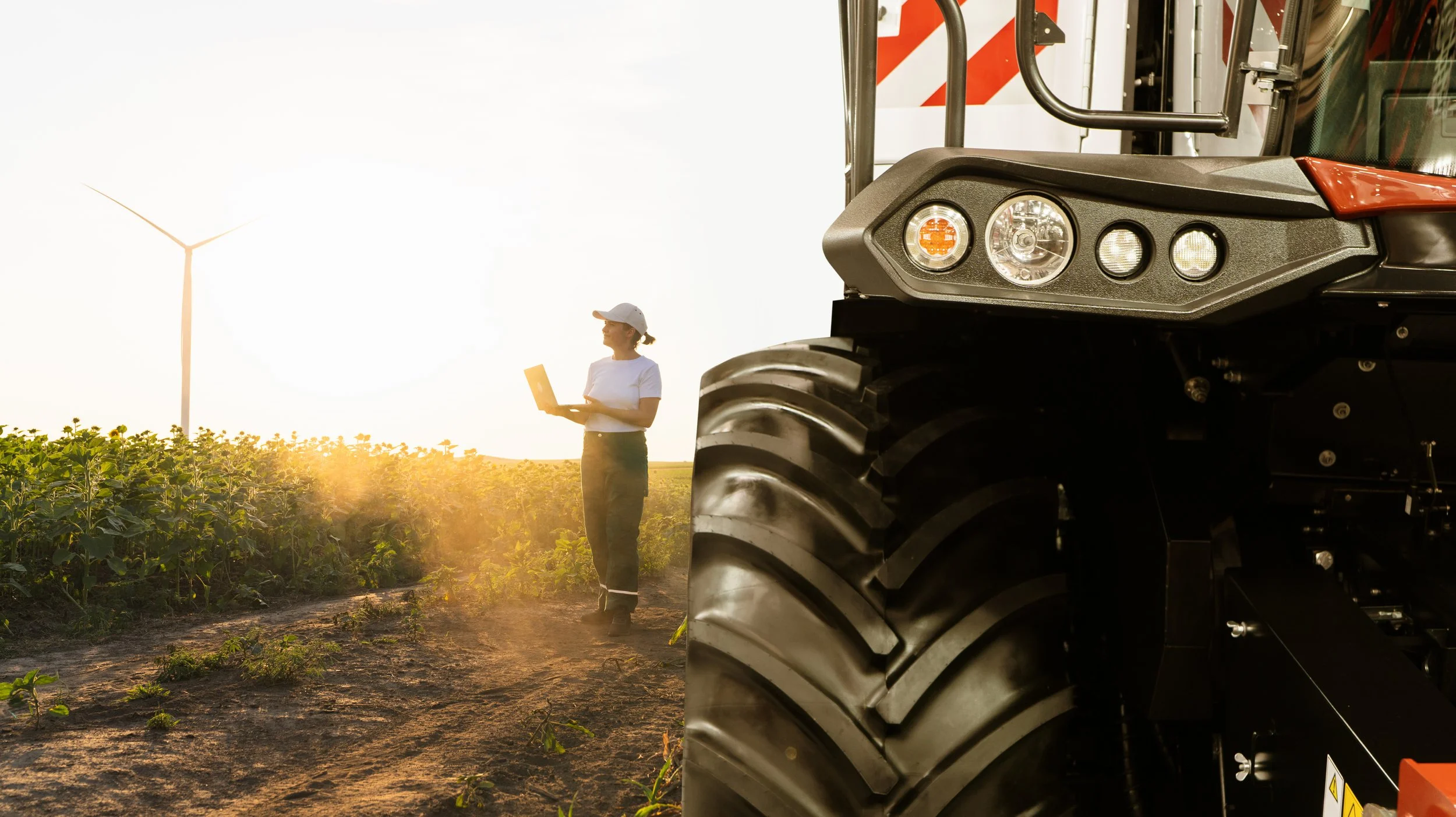
Some operate farms full time. Some co-manage family operations. Some inherit land and oversee lease structures. Others work in agricultural finance, conservation districts, universities, co-ops, or agribusiness sales. Many move between on-farm and off-farm roles over the course of their lives.
Each of these positions affects how agriculture operates at scale.
A Long Record of Responsibility
Farm account books from the Midwest regularly show women maintaining financial records, tracking production expenses, and managing household budgets long before operator titles were widely assigned to them. During periods of labor shortage or financial stress, including the farm crisis of the 1980s, women often handled lender communication, budget restructuring, and long-term planning discussions.
That involvement did not begin during those periods. It simply became more visible under pressure.
Today, USDA Census of Agriculture data lists women as farm operators in growing numbers. Women also own or co-own a significant portion of agricultural land nationwide. Those statistics often draw attention, but they largely reflect more consistent documentation of participation that has existed for decades.
Agriculture has always required steady financial oversight and long-term planning. Women have regularly contributed to both.
Economic Contribution Is One Dimension
Financial stewardship carries measurable consequences in agriculture. Reviewing operating loans, evaluating lease agreements, managing payroll, structuring debt, tracking compliance requirements, and overseeing tax documentation influence whether an operation remains viable across market cycles. Many women are directly involved in these decisions.
At the same time, agriculture relies on more than financial inputs.
Women contribute through mentoring younger producers, facilitating knowledge transfer between generations, organizing community initiatives, participating in conservation planning, serving on local boards, teaching agricultural coursework, conducting research, and maintaining professional networks that support rural economies.
Those forms of involvement shape the durability of agricultural communities even when they do not appear on balance sheets.
In most operations, men and women contribute in complementary ways that reflect skill, experience, and circumstance rather than rigid categories. The system functions because those contributions intersect.
The Off-Farm Connection
Off-farm employment plays a stabilizing role in many agricultural households. In Kansas and across the Midwest, farm families frequently rely on at least one off-farm income stream. In many cases, women hold positions in education, healthcare, government agencies, agricultural services, or private industry while remaining involved in farm-level decisions.
That income often provides health insurance access, strengthens borrowing capacity, and cushions operations during commodity downturns.
At the same time, women working within agricultural organizations influence outcomes from outside the farm gate. Extension agents deliver technical education. Lenders structure capital access. Agronomists advise on crop management. Conservation professionals help navigate environmental programs. Commodity groups coordinate research and market development.
These roles shape how producers make decisions. They affect risk exposure, land use, and long-term strategy.
Women connected to agriculture through these professional pathways are not separate from production agriculture. They operate within the same economic and regulatory environment, even if their work takes place in offices, classrooms, or field consultations rather than in tractors or livestock pens.

Navigating a More Complex System
Modern agriculture involves layered decision-making. Global markets shift quickly. Input costs fluctuate. Land values change. Environmental regulations evolve. Technology adoption requires capital and technical understanding.
Producers, advisors, lenders, educators, and policymakers operate within that system simultaneously. Decisions made in one part of the network influence outcomes elsewhere.
Women engaged in agriculture, whether through direct production or related professions, participate in those decisions every day. They review conservation options, assess crop insurance coverage, analyze marketing strategies, manage staffing, and prepare for generational transfer.
The complexity of the system has increased over time. The need for informed participation has increased with it.
Access to practical education and peer conversation helps reduce isolation in that environment. It provides context for decision-making and a broader understanding of how others are approaching similar challenges.
Continuity Across Generations
From prairie homesteads to modern diversified operations, agriculture has depended on distributed responsibility. Women have contributed through labor, bookkeeping, negotiation, caregiving, professional expertise, and community leadership.
In the mid-twentieth century, many women maintained financial records and cooperative relationships while mechanization reshaped fieldwork. During the farm crisis of the 1980s, expanded financial involvement became common in many households facing restructuring. Today, women are present in agricultural law firms, commodity boards, conservation districts, agritech companies, rural banks, and university research departments in addition to production agriculture.
Participation looks different in each era because agriculture itself changes.
The underlying pattern of involvement, however, has remained consistent.
Why This Conversation Matters
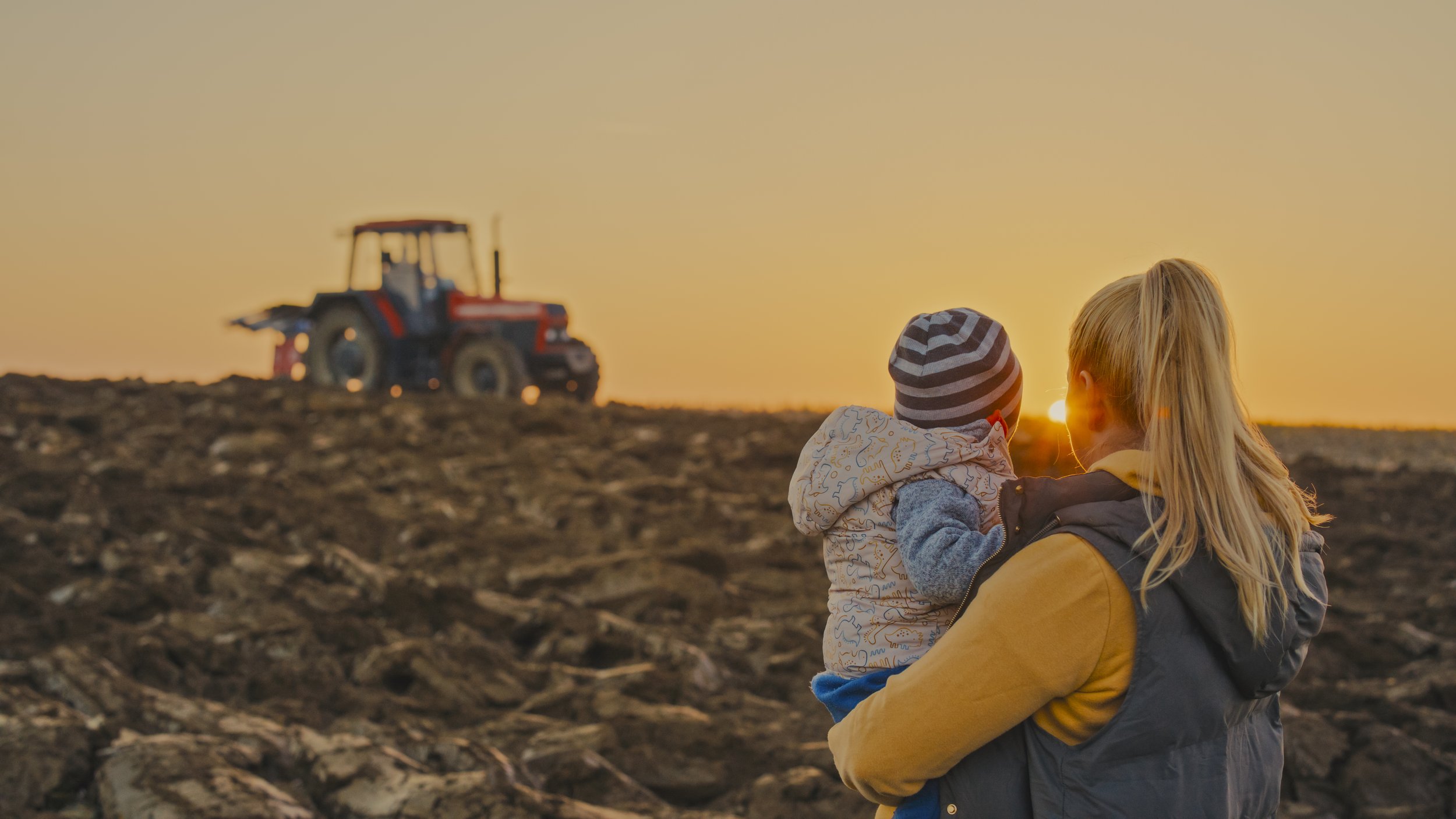
Agriculture is entering another period of transition. Generational transfer will move substantial acreage into new ownership over the next two decades. Technology continues to reshape management practices. Environmental considerations remain central to land use decisions. Rural communities continue adapting to demographic and economic shifts.
The stability of that transition depends on informed decision-makers across the agricultural system.
Women are already part of that network. On farms. In agribusinesses. In research institutions. In lending offices. In conservation agencies. In classrooms. In community leadership roles.
Women Grow the Farm reflects that broader understanding. It was not created solely for producers. It exists for women connected to agriculture across roles and professions who want access to practical education and credible peer networks as they carry responsibility within the system.
Agriculture functions through shared effort.
Women have long been part of that effort, and they continue to be.